
Understanding CDL Medical Requirements: What You Need to Know

When you’re preparing to get or renew your Commercial Driver’s License (CDL), one of the most important steps is meeting the medical requirements. These requirements ensure that you are physically and mentally fit to operate commercial vehicles safely. In this post, I will walk you through the essential aspects of CDL medical certification, what you need to qualify, and how to stay compliant.
What Are the CDL Medical Requirements?
The CDL medical requirements are set by the Federal Motor Carrier Safety Administration (FMCSA). They are designed to make sure commercial drivers can safely handle the demands of driving large vehicles over long distances. To meet these requirements, you must pass a medical examination conducted by a certified medical examiner.
Here are the key points you need to know:
Physical Health: You must be free from any medical conditions that could impair your ability to drive safely. This includes heart disease, epilepsy, vision problems, and respiratory issues.
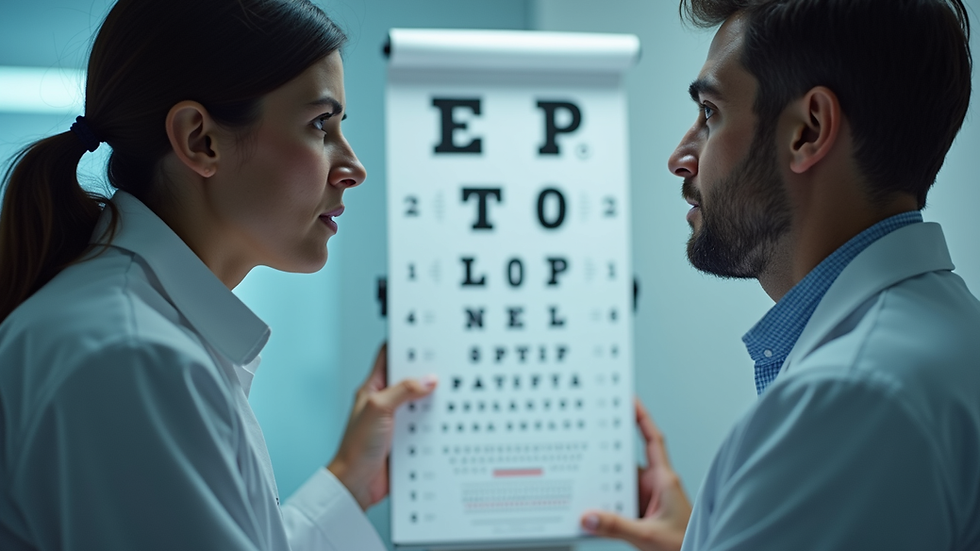
Vision Standards: You need at least 20/40 vision in each eye, with or without corrective lenses. Your field of vision must be at least 70 degrees in the horizontal meridian in each eye.
Hearing Standards: You must be able to hear a forced whisper at a distance of at least 5 feet, with or without a hearing aid.
Blood Pressure: Your blood pressure should be under control. High blood pressure can be a disqualifying factor if not managed properly.
Diabetes: If you have diabetes, you may still qualify if it is well-controlled and you do not use insulin.
Substance Use: You cannot have a history of substance abuse or currently use controlled substances illegally.
Passing the medical exam is mandatory to obtain or renew your CDL. The medical examiner will fill out a Medical Examiner’s Certificate, which you must carry with your CDL.

How to Prepare for Your CDL Medical Exam
Preparing for your medical exam can make the process smoother and increase your chances of passing on the first try. Here are some practical tips:
Bring Your Medical History: Have a list of your current medications, past surgeries, and any chronic conditions.
Get Your Vision Corrected: If you need glasses or contacts, wear them during the exam.
Manage Your Blood Pressure: Monitor your blood pressure regularly and follow your doctor’s advice.
Avoid Caffeine and Smoking Before the Exam: These can temporarily raise your blood pressure.
Be Honest: Always provide truthful information about your health and lifestyle.
Remember, the medical examiner’s job is to ensure safety on the road. Being prepared helps you demonstrate that you meet the necessary standards.
What is required to get a CDL in Arkansas?
If you are applying for a CDL in Arkansas, you must meet both federal and state-specific requirements. Arkansas follows the FMCSA guidelines but also has some additional steps:
Pass the Knowledge and Skills Tests: You must pass the written knowledge test and the driving skills test.
Provide Proof of Identity and Residency: Arkansas requires documents such as a birth certificate, Social Security card, and proof of Arkansas residency.
Submit a Medical Examiner’s Certificate: You must provide a valid medical certificate from a certified medical examiner.
Pay the Required Fees: Fees vary depending on the class of CDL and endorsements.
Complete a Driver’s License Application: This includes providing your personal information and consent for background checks.
Meeting these requirements ensures you are legally qualified to operate commercial vehicles in Arkansas.

The Role of Medical Certification for CDL Drivers
The medical certification for cdl is a critical document that proves you have passed the medical exam and are fit to drive. Without this certification, you cannot legally operate a commercial vehicle.
Here’s why it matters:
Safety: It helps prevent accidents caused by medical conditions.
Compliance: It keeps you in line with federal and state laws.
Employment: Most trucking companies require a valid medical certificate before hiring.
Renewal: You must renew your medical certificate every 24 months, or more frequently if you have certain medical conditions.
Make sure to keep your medical certificate up to date and carry it with you while driving.
Tips for Maintaining Your CDL Medical Certification
Once you have your medical certification, maintaining it is just as important as obtaining it. Here are some tips to help you stay compliant:
Schedule Regular Checkups: Don’t wait until your certificate expires. Regular health checkups can catch issues early.
Manage Chronic Conditions: Follow your doctor’s advice for conditions like diabetes or hypertension.
Stay Active and Eat Well: Good physical health supports your ability to drive safely.
Avoid Illegal Substances: Stay clear of drugs and alcohol that can disqualify you.
Keep Records: Maintain copies of your medical certificates and any related health documents.
By following these steps, you can avoid surprises during your next medical exam and keep your CDL valid.
Where to Get Your CDL Medical Exam
Finding the right place for your CDL medical exam is important. Look for certified medical examiners who specialize in DOT physicals. RoadSafe DOT Exams is a trusted option that makes the process easy and efficient. They understand the specific needs of commercial drivers and help you stay compliant with all regulations.
Scheduling your exam in advance and choosing a convenient location can save you time and stress.
Meeting the CDL medical requirements is a vital part of your career as a commercial driver. By understanding the standards, preparing properly, and maintaining your health, you can keep your CDL valid and stay safe on the road. Remember to schedule your medical exam with a certified provider and keep your certification current. This will help you avoid interruptions in your driving privileges and continue your work with confidence.


Comments