
DOT Physical Exam Requirements Simplified

When you’re preparing for your commercial driver’s license (CDL) or maintaining your eligibility to drive a commercial vehicle, understanding the DOT physical exam requirements is essential. This exam ensures you meet the health standards set by the Department of Transportation (DOT) to operate safely on the road. I’ll walk you through the key points of the exam, what to expect, and how to stay compliant without stress.
Understanding DOT Exam Requirements
The DOT physical exam is a medical evaluation required for commercial drivers. It confirms that you are physically and mentally fit to operate a commercial motor vehicle (CMV). The exam is conducted by a certified medical examiner listed on the National Registry of Certified Medical Examiners.
Here’s what the exam typically covers:
Medical history review: You’ll be asked about your past and current health conditions, medications, and any surgeries.
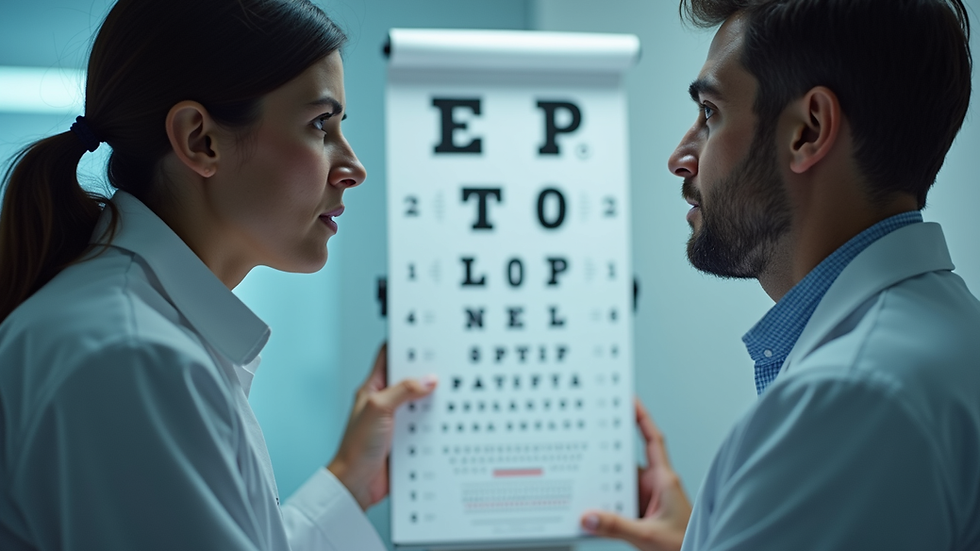
Vision test: You must have at least 20/40 vision in each eye, with or without corrective lenses.
Hearing test: You need to hear a forced whisper at a distance of 5 feet or better.
Blood pressure and pulse check: High blood pressure can be a disqualifier if uncontrolled.
Urinalysis: This checks for diabetes and kidney issues.
Physical examination: The examiner will check your heart, lungs, abdomen, and extremities.
Neurological exam: This includes reflexes and coordination tests.
Other tests: Depending on your medical history, additional tests may be required.
The exam usually takes about 20 to 30 minutes. If you pass, you’ll receive a Medical Examiner’s Certificate (MEC), valid for up to 24 months.
Key DOT Exam Requirements You Should Know
Knowing the specific requirements helps you prepare and avoid surprises. Here are some practical tips to meet the DOT exam requirements:
Bring your medical records: If you have chronic conditions like diabetes or hypertension, bring your latest lab results and doctor’s notes.
Wear your corrective lenses or hearing aids: If you use them, bring them to the exam.
Avoid caffeine and tobacco before the exam: These can affect your blood pressure and heart rate.
Be honest about your health: Concealing information can lead to disqualification or legal issues.
Schedule your exam in advance: Certified examiners can be busy, so book early to avoid delays.
Remember, the goal is to ensure you are safe to drive. If you have questions about specific conditions, ask your medical examiner for guidance.

What Would Make You Fail a DOT Physical?
Failing a DOT physical exam can happen for several reasons. Here are some common disqualifiers:
Uncontrolled high blood pressure: Blood pressure consistently above 140/90 mmHg without control.
Vision below standard: Less than 20/40 vision in both eyes, even with corrective lenses.
Hearing loss: Inability to hear a forced whisper at 5 feet.
Severe heart conditions: Recent heart attack, unstable angina, or heart failure.
Diabetes requiring insulin: Insulin use disqualifies drivers unless they have a waiver.
Seizure disorders: Epilepsy or seizures without a waiver.
Substance abuse: Positive drug or alcohol tests or history of substance abuse.
Sleep apnea: Untreated moderate to severe obstructive sleep apnea.
Neurological disorders: Conditions affecting coordination or motor skills.
If you fail, you may be able to address the issue and retake the exam after treatment or stabilization. Some conditions require a medical waiver, which your examiner can help you apply for.
Preparing for Your DOT Physical Exam
Preparation is key to passing your DOT physical exam smoothly. Here are some actionable steps:
Get a general health checkup: Visit your primary care provider before the DOT exam to manage any health issues.
Maintain a healthy lifestyle: Eat well, exercise, and avoid smoking or excessive alcohol.
Keep a health diary: Track your blood pressure, blood sugar, and any symptoms.
Bring all necessary documents: Your driver’s license, medical history, and any prescriptions.
Dress comfortably: Wear loose clothing for easy examination.
By taking these steps, you reduce the risk of surprises during the exam and increase your chances of passing on the first try.
Staying Compliant and Safe on the Road
Passing the DOT physical exam is just the first step. Staying compliant means:
Scheduling regular exams: The certificate is valid for up to 24 months, but some conditions require more frequent checks.
Monitoring your health: Keep track of any changes and consult your doctor promptly.
Following medical advice: Take medications as prescribed and manage chronic conditions.
Reporting changes: Inform your employer and medical examiner if your health status changes.
Compliance helps you avoid fines, license suspension, or job loss. It also ensures you and others stay safe on the road.
For more detailed information, you can visit the official DOT physical exam requirements page.
By understanding and preparing for the DOT physical exam requirements, you can make the process straightforward and stress-free. Staying healthy and compliant keeps you on the road and working safely. If you need a reliable place for your DOT physical, consider scheduling with a trusted provider who understands your needs and makes the process easy.


Comments